Termites rarely show up all at once. Most homeowners notice something small first. Paint that looks slightly bubbled. Wood that sounds hollow when tapped. Tiny piles of what looks like dirt near the foundation.
Those signs usually lead people to schedule a termite inspection in Kansas City. Because once termites settle into a structure, they don’t leave on their own. The colony keeps expanding.
- Termite colonies stay active year-round
- Treatment focuses on the colony, not just the damage
- Liquid barrier treatments create a protective zone
- Bait systems work differently
- Moisture control helps reduce termite risk
- Older homes sometimes require additional protection
- Follow-up visits are part of termite treatment
- Prevention remains the long-term goal
- FAQs
Termite colonies stay active year-round
Many people assume termites are only active during warmer months. That isn’t really the case.
Subterranean termites live underground where temperatures stay more stable. Once they locate a food source, they continue feeding quietly inside wooden structures.
That’s why professional termite treatment often starts quickly after activity is confirmed. Waiting allows the colony more time to spread through framing and support beams.
Treatment focuses on the colony, not just the damage
Removing damaged wood alone doesn’t stop termites. The colony itself must be addressed. A technician working in termite control typically looks for where termites are entering the structure and where the colony is feeding.
Sometimes the nest sits underground near the foundation. Other times it may be located further away, connected through underground tunnels.
Treatments target those travel paths. Stopping movement between soil and wood interrupts the colony’s food supply.
Liquid barrier treatments create a protective zone
One common treatment involves applying a protective barrier around the home. The soil surrounding the foundation receives a treatment designed to stop termites from reaching structural wood.
Once the barrier is in place, termites moving through the soil encounter the treated zone before reaching the structure.
Many professionals from a termite extermination company in Kansas City use this method when activity is concentrated around the exterior foundation. The barrier protects the home while the colony gradually declines.
Bait systems work differently
Bait systems approach the problem from another angle. Stations are placed in the ground around the structure. Termites feeding in the area discover the bait and carry it back to the colony. Over time, this spreads through the colony population.
Technicians performing termite inspection services often recommend bait systems when long-term monitoring is needed.
The stations remain in place and can reveal future termite activity early. It becomes an ongoing protection system.
Moisture control helps reduce termite risk
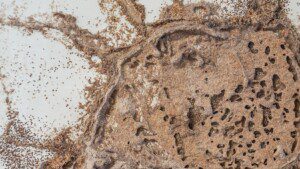
Termites prefer damp environments. So moisture problems around the home often increase the chances of termite activity.
Leaking outdoor faucets. Poor drainage near the foundation. Mulch piled against siding. These conditions create ideal environments for termites to explore.
Technicians handling termite removal frequently point out these issues during treatment visits. Fixing them reduces the chance of another infestation forming later.
Older homes sometimes require additional protection
Some homes contain untreated wood or structural designs that make termite access easier. Wooden posts touching soil. Porch supports embedded in the ground. Older crawl spaces with high humidity. These features can increase risk.
In these cases, professionals performing termite inspection may recommend preventative protection even if current activity is limited. Preventative treatments protect vulnerable areas before termites discover them.
Follow-up visits are part of termite treatment
Termite colonies don’t disappear overnight. Technicians usually return to check progress and confirm the colony has been eliminated.
These visits allow professionals providing a termite inspection to help to verify that tunnels have stopped forming and feeding activity has ended.
Monitoring ensures the treatment worked fully. It also helps detect new colonies if they attempt to move into the area later.
Prevention remains the long-term goal
After treatment, most homeowners focus on keeping termites from returning. Maintaining proper drainage. Keeping soil from touching wooden siding. Scheduling periodic inspections. These steps make structures less attractive to termites searching for food.
Working with professionals experienced in termite control helps homeowners maintain protection over time. Because with termites, prevention is always easier than repair.
FAQs
How long does termite treatment usually take to work?
Some treatments begin working immediately, but full colony elimination can take several weeks depending on colony size and location.
Do termite treatments damage landscaping or foundations?
Modern treatments are designed to work around landscaping and structural materials without causing damage.
Can termites return after treatment?
New colonies can appear over time, which is why periodic inspections are recommended after treatment.
Ready to get started? Reach out to Smithereen online to fill out a form or call us at 317-279-6474 . We help homeowners. We help businesses. We help people take back control from pests.
We listen. We inspect. We solve problems quickly, and we do it right the first time.

Need help now?
We’re Green Shield Certified to protect your home or facility with expert pest control that works.
Follow us on Facebook and LinkedIn for prevention tips, updates, and behind-the-scenes stories from the field.