 If you manage commercial property, you’re probably juggling dozens of responsibilities before lunch. A tenant has a maintenance request, landscaping needs attention, a contractor is scheduled to arrive, and you’re trying to stay ahead of the next unexpected issue. Pest control may not seem urgent when everything appears normal, but experienced property managers know that’s exactly when prevention matters most. A proactive approach with commercial pest control services in Leawood helps protect tenants, customers, employees, and the property’s reputation before a small problem has the chance to become an expensive one.
- The Best Pest Problems Are the Ones Nobody Ever Notices
- Every Property Has Its Own Trouble Spots
- Property Managers Often Notice Patterns Before Anyone Else
- Regular Inspections Catch the Small Things
- Different Businesses Need Different Levels of Protection
- Warehouses Bring Their Own Challenges
- Kitchens Deserve Extra Attention
- Communication Should Never Be an Afterthought
- Seasons Change, and So Do Pest Pressures
- Prevention Helps Protect Everyone in the Building
- The Right Partner Looks Beyond Today's Visit
- A Prevention Plan Is an Investment in Your Property
The Best Pest Problems Are the Ones Nobody Ever Notices
One thing we’ve noticed after working with commercial properties is that people rarely see the beginning of a pest problem. They usually see the end of it. By the time a tenant reports mice in a storage room or an employee spots cockroaches in a break room, those pests have often been comfortable inside the building for quite a while. They’ve already found food, water, shelter, and a way to move around without attracting much attention. That’s why waiting until someone files a complaint usually means you’re already behind. A good prevention plan is designed to catch those conditions before tenants, customers, or employees ever know there was a potential issue.
Every Property Has Its Own Trouble Spots
One mistake we sometimes see is assuming every commercial building needs exactly the same pest control program. That rarely works. A medical office doesn’t operate like a retail center. A warehouse has different risks than an office complex. Even two buildings sitting next door to each other can have completely different pest pressures depending on how they’re used, what businesses occupy the space, and how the property is maintained. Before putting together a prevention plan, experienced technicians spend time learning the property. They look at things like:
- How people move through the building
- Where deliveries are made
- Dumpster placement
- Irrigation and drainage
- Landscaping against exterior walls
- Utility penetrations
- Roof access
- Mechanical rooms
- Employee kitchens and break areas
None of these areas automatically creates a pest problem, but each one can become attractive if conditions are right. That’s why customized commercial pest control services in Leawood almost always outperform one-size-fits-all programs.
Property Managers Often Notice Patterns Before Anyone Else
One advantage property managers have is perspective. A tenant usually notices what’s happening inside their own suite. You see the entire property. You may notice the same plumbing issue affecting multiple tenants. You may recognize that overflowing dumpsters always seem to coincide with increased fly activity. You may realize landscaping has grown against the building in several locations, giving rodents easy cover as they move toward the structure. Those observations matter. Some of the most effective pest prevention plans begin with maintenance issues that have nothing to do with pesticides. Closing small gaps, repairing leaks, improving drainage, and keeping vegetation trimmed often remove the conditions pests were relying on in the first place.
Regular Inspections Catch the Small Things
We’ve walked plenty of commercial properties where everything looked perfectly fine at first glance. Then someone opened a utility closet. Or checked behind a vending machine. Or looked underneath a loading dock. Suddenly the reason for recurring pest activity became obvious. Those hidden areas are exactly why routine inspections matter. Instead of showing up only after someone reports a problem, regular visits allow technicians to identify developing issues while they’re still manageable. That’s usually easier for everyone involved, including tenants who never have to experience the inconvenience of a larger infestation.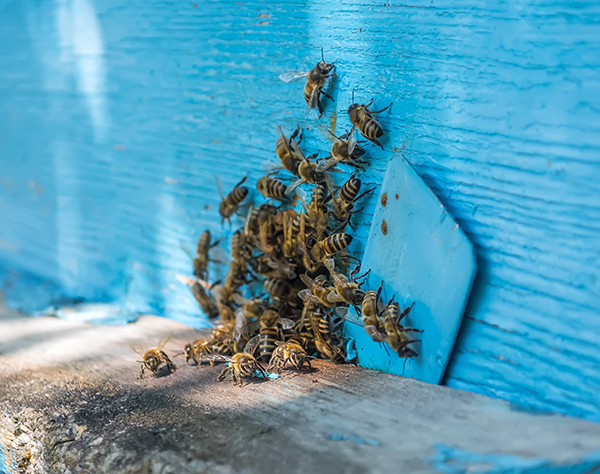
Different Businesses Need Different Levels of Protection
Commercial properties often include businesses with very different needs. A warehouse storing packaged products isn’t dealing with the same concerns as a restaurant preparing meals all day. Healthcare offices have different expectations than retail stores. Professional offices have different priorities than manufacturing facilities. For example, food service pest control in Leawood often requires more frequent inspections because food preparation naturally creates additional opportunities for pests if sanitation slips. Likewise, restaurant pest control services in Leawood generally involve close attention to floor drains, grease buildup, food storage, dumpsters, delivery entrances, and areas behind kitchen equipment where insects like to hide. Understanding how each tenant operates helps create a prevention plan that actually fits the building instead of forcing every business into the same schedule.
Warehouses Bring Their Own Challenges
Warehouses don’t always have food preparation, but they do have constant movement. Deliveries arrive throughout the day. Large overhead doors remain open. Products come from multiple suppliers. Storage racks create dark, undisturbed spaces where rodents and insects can remain unnoticed. Because of that, many industrial property managers include warehouse pest control services in Leawood as part of their ongoing maintenance program. The goal isn’t simply eliminating pests. It’s protecting inventory, preventing damage, and keeping operations moving without interruption.
Kitchens Deserve Extra Attention
Commercial kitchens are busy environments. Heat, moisture, food scraps, grease, and frequent deliveries all create conditions that pests find attractive. No restaurant manager wants to hear an employee mention seeing insects before the lunch rush starts. That’s why commercial kitchen pest control in Leawood isn’t just about treatments. It also involves identifying sanitation concerns, inspecting equipment, checking drains, monitoring storage areas, and pointing out maintenance issues that could invite future problems. When kitchen staff and pest professionals communicate regularly, prevention becomes much easier than emergency response.
Communication Should Never Be an Afterthought
One of the easiest ways to tell whether you’re working with a quality pest control provider is by paying attention to communication. After every visit, you should know:
- What was inspected
- Whether activity was found
- Areas that deserve attention
- Recommendations for maintenance
- Any follow-up that’s needed
Good reporting makes everyone’s job easier. It also gives property managers documentation they can reference if questions arise later. The relationship becomes less about scheduling treatments and more about protecting the property over the long term.
Seasons Change, and So Do Pest Pressures
One thing that’s easy to overlook is how much pest activity changes throughout the year. Heavy spring rains may drive insects indoors. Summer heat often increases fly activity around dumpsters. As temperatures cool, rodents begin looking for warm buildings where food and shelter are easier to find. A prevention plan that never changes usually isn’t keeping up with those seasonal shifts. Instead, experienced providers adjust inspections and recommendations as conditions change throughout the year. That flexibility helps keep small seasonal issues from becoming larger infestations.
Prevention Helps Protect Everyone in the Building
A strong pest management program benefits far more than the property owner. It helps protect:
- Tenants
- Employees
- Customers
- Inventory
- Equipment
- Building reputation
- Health standards
- Daily operations
For food-related businesses, ongoing restaurant pest control in Leawood also helps support sanitation efforts while reducing the chances of an unpleasant customer experience that could affect future business.
The Right Partner Looks Beyond Today’s Visit
The best pest control companies aren’t simply crossing another appointment off the calendar. Over time, they learn your property. They recognize recurring seasonal trends. They remember previous concerns. They notice changes that someone unfamiliar with the building might overlook. That familiarity allows them to make better recommendations year after year instead of starting over during every visit.
A Prevention Plan Is an Investment in Your Property
Good property management is often measured by the problems that never happen. Tenants don’t usually compliment a building because they didn’t see rodents or insects, but they certainly remember when they do. Investing in commercial pest control services in Leawood gives property managers another way to protect the buildings they’ve been trusted to oversee.
Whether you’re responsible for an office complex, industrial facility, retail center, or mixed-use development, a thoughtful prevention plan helps reduce surprises, supports tenant satisfaction, and keeps everyday operations running more smoothly. The best programs aren’t built around reacting to infestations—they’re built around preventing them in the first place.
Ready to get started? Reach out to Smithereen online to fill out a form or call us at 317-279-6474. We help homeowners. We help businesses. We help people take back control from pests.
We listen. We inspect. We solve problems quickly, and we do it right the first time.
Need help now?
We’re Green Shield Certified to protect your home or facility with expert pest control that works.
Follow us on Facebook and LinkedIn for prevention tips, updates, and behind-the-scenes stories from the field.