Preparing for an audit is not the time to discover that pest records are incomplete, dock doors no longer seal, or spilled product has been accumulating beneath storage racks. A strong warehouse program operates every day, not only during the week before an inspection.
Pest prevention in a warehouse depends on the building, inventory, receiving process, sanitation, exterior conditions, and documentation working together. Effective warehouse pest control services in Kansas City should help facility teams find weak points early and maintain records that show how risks are being managed.
- Begin at Receiving
- Inspect Doors, Docks, and Building Openings
- Use Storage Practices That Support Inspection
- Sanitation Must Include Hard-to-Reach Areas
- Moisture Deserves Its Own Review
- Monitoring Devices Need Purposeful Placement
- Documentation Should Tell a Coherent Story
- Train Employees to Report Early Evidence
- Review Contractors and Shared Responsibilities
- Conduct an Internal Readiness Review
- Audit Readiness Is a Daily Operating Standard
Begin at Receiving
Pests can enter with raw materials, packaging, pallets, equipment, and returned goods. Receiving staff are often the first line of defense. Incoming shipments should be checked for damaged packaging, droppings, webbing, insects, gnaw marks, moisture, and unusual odors. High-risk products may require a more detailed inspection or a designated hold area.
Findings should be documented and communicated. Rejecting or isolating one compromised shipment can prevent a much larger problem inside storage areas. The receiving area itself needs attention. Open dock doors, worn seals, accumulated debris, and bright lighting placed directly beside entrances can increase pest pressure.
Inspect Doors, Docks, and Building Openings
Warehouses contain many access points. Dock plates, pedestrian doors, utility penetrations, vents, rooflines, expansion joints, and wall-floor junctions should be included in routine inspections. Daylight visible beneath a closed door is a clear warning sign. Door sweeps and seals need to tolerate heavy use. Dock doors should remain closed when they are not actively serving a trailer.
Exterior gaps may change with weather, building movement, or repairs. A one-time exclusion project is not enough. The facility needs a process for identifying, assigning, and confirming corrective work.
Use Storage Practices That Support Inspection
Inventory placement can either reveal pest activity or hide it. Product stored directly against walls or in dense, undisturbed stacks creates protected spaces and makes inspection difficult. Where operating requirements allow, maintain inspection access around walls, columns, and equipment. Follow established clearance and rotation standards. Damaged products, loose packaging, and obsolete inventory should not remain forgotten in corners.
First-in, first-out practices can reduce the time products sit undisturbed. Spill response should be immediate, especially for food, seed, paper goods, and other pest-attractive materials.
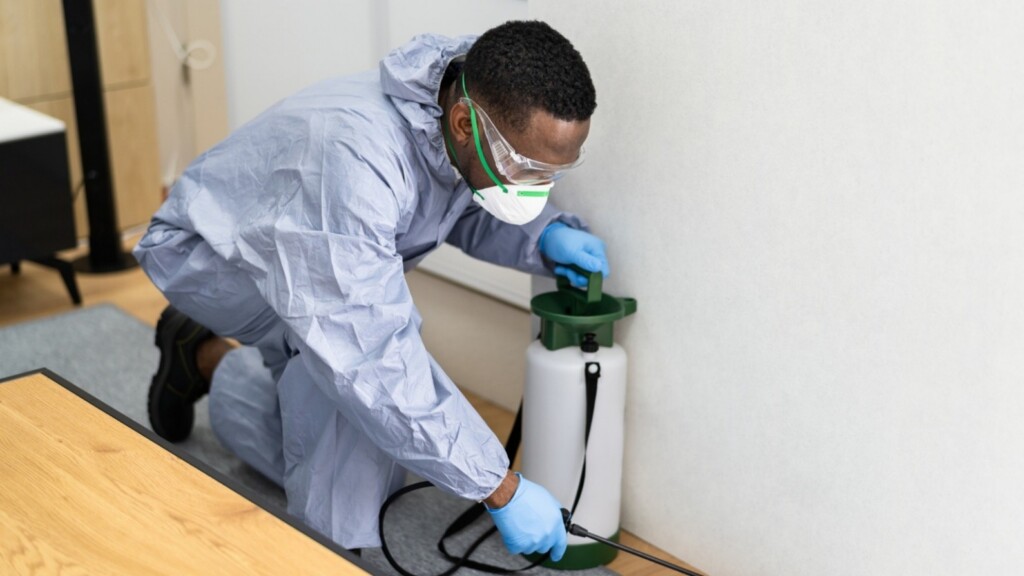
Sanitation Must Include Hard-to-Reach Areas
A warehouse can look clean from the aisle and still contain enough residue to support pests. Dust, crumbs, liquids, and product fragments accumulate beneath racks, conveyors, charging stations, equipment, and pallets. The sanitation schedule should define who cleans each area and how often. It should include waste handling, compactors, drains, break rooms, lockers, maintenance spaces, and exterior dumpster zones.
Recurring spills may point to damaged packaging or a process problem. Correcting the source is more effective than repeatedly cleaning the same area.
Moisture Deserves Its Own Review
Roof leaks, condensation, plumbing problems, floor drains, and poorly graded exterior areas can provide water for insects and rodents. Wet cardboard and damaged product also create shelter and odor concerns. Leaks should be tracked through repair, not simply cleaned when they recur. Drain maintenance and condensation control belong in the preventive program. Exterior standing water, clogged gutters, and overwatered landscaping may also increase pest activity near the building.
Monitoring Devices Need Purposeful Placement
Traps and monitors are valuable only when their placement reflects risk and the data is reviewed. Devices may be concentrated near receiving, exterior doors, waste areas, utility penetrations, break rooms, and other vulnerable zones. Their locations should be mapped and numbered. Service records should show findings, trends, corrective actions, and any changes to placement.
A device with repeated activity is not merely something to empty. It is evidence that calls for investigation. The source may be a building gap, sanitation condition, incoming product, or operational habit.
Documentation Should Tell a Coherent Story
Auditors may review more than pest sightings. They may want to see service reports, device maps, trend data, corrective actions, product documentation, licenses, training records, and proof that recommendations were completed. Records should be current, legible, and easy to retrieve. Corrective actions need owners and completion dates. Repeated open items suggest that the facility identifies risk without resolving it.
Smithereen’s commercial offerings include Integrated Pest Management and executive pest control summaries. Its Kansas City commercial page also addresses tailored service for businesses. Facility managers should confirm which reports and trend tools are included in their specific program.
Train Employees to Report Early Evidence
Warehouse employees see the facility between pest-control visits. They should know what to report and how. Training can cover droppings, live insects, damaged packaging, webbing, gnawing, unusual odors, nesting material, and door or seal failures. Employees should not move monitoring devices or apply unapproved pesticides.
Reporting needs to be simple. A sighting log, digital form, or designated contact can turn an observation into a documented response. Staff should receive feedback, so they know the report was investigated.
Review Contractors and Shared Responsibilities
Pest risk can involve sanitation vendors, waste haulers, landscaping crews, maintenance contractors, transportation partners, and neighboring tenants. Responsibilities should be clear. For example, the pest provider may identify a damaged door seal, but the facility maintenance team must replace it. A landscaper may need to cut vegetation away from the wall. A waste contractor may need to address overflow or container cleaning.
An effective commercial pest control company in Kansas City should document observations clearly enough that each team knows what action is needed.
Conduct an Internal Readiness Review
Before an audit, review the program the way an outside evaluator might:
- Are service reports complete and signed?
- Does the device map match the devices in the facility?
- Are trend reports current?
- Have repeated activity areas been investigated?
- Are corrective actions closed and documented?
- Are doors, docks, and exterior openings in good condition?
- Are sanitation and spill records available?
- Can employees explain how to report pest evidence?
This review should confirm daily practice, not create a temporary appearance. A clean file does not compensate for active pest conditions, and a clean building does not compensate for missing documentation.
Audit Readiness Is a Daily Operating Standard
Professional commercial pest control in Kansas City is most effective when it is integrated into facility operations. Receiving reduces incoming risk. Maintenance closes structural gaps. Sanitation removes resources. Employees report evidence. The pest provider monitors patterns and recommends action. Management confirms that corrective work is completed. When those responsibilities stay connected, audit preparation becomes much less disruptive. The records already reflect the work, and the building already reflects the standard.

Ready to get started? Reach out to Smithereen online to fill out a form or call us at 317-279-6474. We help homeowners. We help businesses. We help people take back control from pests. We listen. We inspect. We solve problems quickly, and we do it right the first time.
Need help now? We’re Green Shield Certified to protect your home or facility with expert pest control that works. Follow us on Facebook and LinkedIn for prevention tips, updates, and behind-the-scenes stories from the field.