The phrase pest service can mean very different things from one company to another. Some homeowners expect every insect, rodent, and termite concern to be included in one routine visit. Others assume the technician will only treat the exact pest they mentioned on the phone. Neither assumption is always correct. Before scheduling pest services in Kansas City, it helps to understand the difference between regular household pest management and specialized services that may require their own inspection or treatment plan. General pest service often focuses on pests such as ants, spiders, occasional invaders, and other insects that commonly move around homes. The exact pests covered can vary, so homeowners should ask what is included rather than relying on the phrase general pest control.
A company providing pest control services in Kansas City should be able to explain the normal scope in plain language. That includes which areas are inspected, what happens during a standard visit, and what homeowners should report between appointments. Many pest problems begin outside. Vegetation touches the house. Gaps form around utility lines. Mulch stays damp. Doors no longer seal tightly. Pests find shelter near the foundation and eventually move indoors. Good pest services in Kansas City should look at those conditions instead of treating the inside of the home as if it has no connection to the yard. A technician may recommend sealing gaps, trimming vegetation, improving storage, or correcting moisture. Those tasks may belong to the homeowner or another contractor, but they can make pest treatment more effective.
The technician should ask about patterns
Tell the company where you have seen activity and when it happens. One insect in the basement is different from ants returning to the same kitchen counter every morning. A Kansas City pest control company can use that information to focus the inspection. Photos are helpful when the pest is difficult to capture or only appears at certain times. The more specific the pattern, the easier it is to decide whether the issue fits routine service or needs something more specialized.
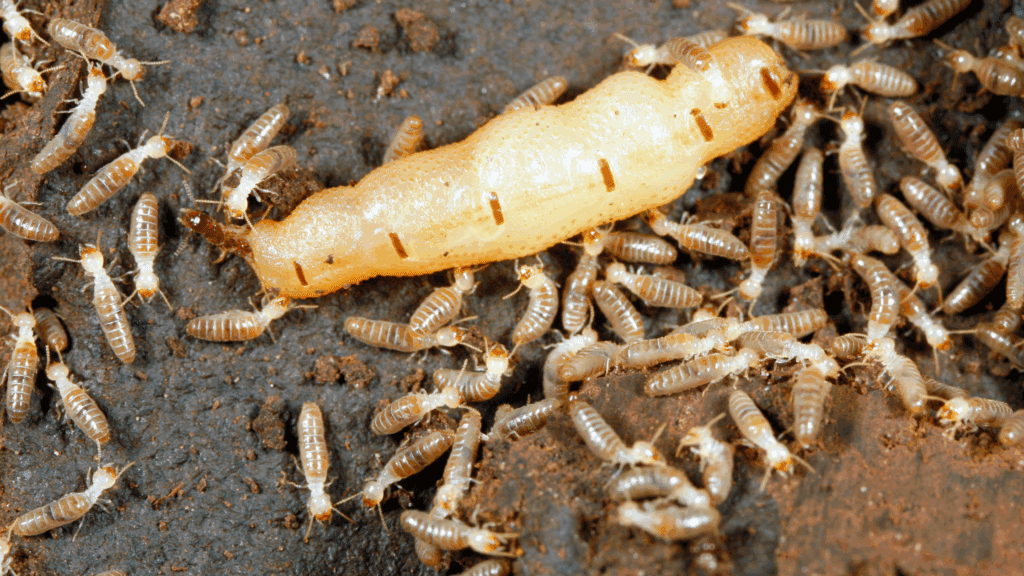
A standard household pest visit should not be assumed to include a full termite inspection. Termites have different behavior, treatment methods, and risks than many common insects. If you find mud tubes, discarded wings, or suspicious wood, ask directly about termite service. A termite extermination company in Kansas City can evaluate that issue separately rather than folding it into a routine visit for ants or spiders.
Bed bug concerns are another example of a specialized problem. These insects tend to hide close to places where people rest, and moving belongings around the house before identification can spread activity. If you suspect bed bugs, tell the company before the appointment. A bed bug company in Kansas City may use a different inspection and preparation process. Do not assume regular pest services in Kansas City automatically include the same preparation, inspection, and treatment used for a bed bug infestation. Clear communication before the visit can prevent a lot of unnecessary work.
Traps or other control methods can address animals inside a structure, but long-term rodent management often includes finding how they are entering. A damaged door sweep, utility opening, gap near the foundation, or other access point can keep the problem going. The pest company may identify those areas, while repair work may need to be handled separately. Homeowners should ask whether exclusion recommendations are included and who is responsible for completing them.
Outdoor pests may use a different schedule
Ticks and other outdoor pests are influenced by vegetation, wildlife, weather, and how the yard is used. A service such as tick control in Kansas City may be scheduled differently from routine indoor pest management. Ask how the outdoor treatment fits with lawn maintenance and what the homeowner can do to reduce habitat. Keeping grass and vegetation managed can support the service, especially around high-use parts of the yard.
Some pest issues improve quickly. Others take time or require another visit. The company should explain what homeowners should expect after treatment. Ask when new activity should be reported. Ask whether a return visit is scheduled or only needed if the problem continues. Ask what signs would indicate that a different pest is involved. A useful pest services in Kansas City plan gives the homeowner a clear next step instead of leaving them to decide on their own whether the treatment worked.
Routine service should be adjusted when the home changes
Remodeling, landscaping, plumbing problems, new pets, or changes in occupancy can all affect pest pressure. A plan that worked for years may need a small adjustment when the property changes. Tell the technician about recent construction or new moisture problems. Even a small detail can explain why a pest suddenly began showing up in a different part of the home. This may be the most useful question of all. Knowing what falls outside routine service prevents surprises later. Maybe termites require a separate agreement. Maybe wildlife is not handled. Maybe certain outdoor treatments are seasonal. The exact answer varies, but it should be clear before the homeowner assumes every possible pest is covered.
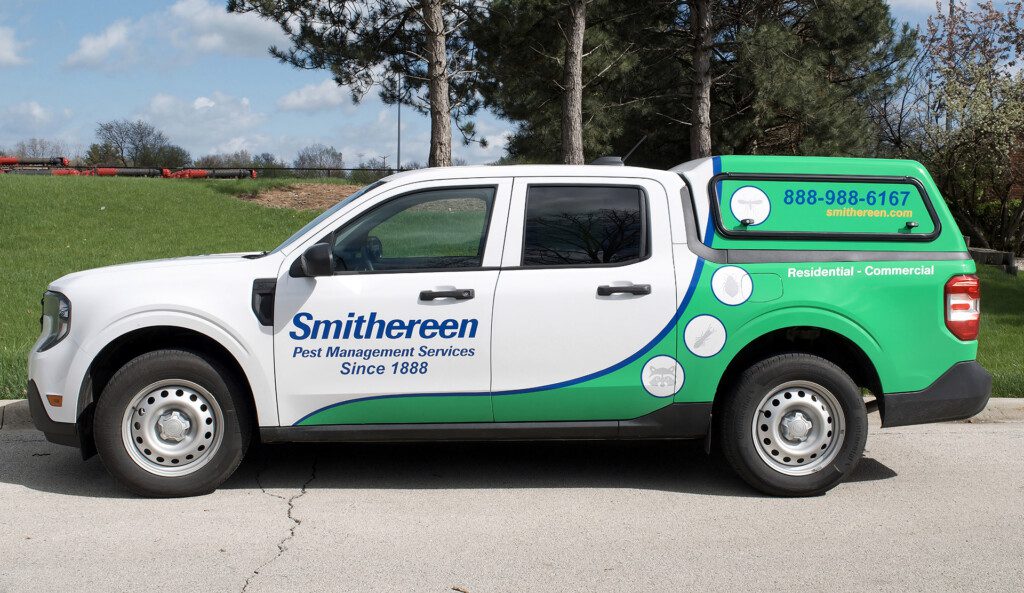
Smithereen works with Kansas City homeowners who want pest management to be predictable rather than reactive. Good pest services in Kansas City should explain the normal scope, identify specialized concerns, and give homeowners practical steps that support the treatment. Routine service works best when everyone understands the job. The technician knows what the homeowner has been seeing, and the homeowner knows which pests and areas are part of the plan. That clarity turns pest control from a vague spray-and-hope visit into a much more useful maintenance routine.

Ready to get started? Reach out to Smithereen online to fill out a form or call us at 1-800-336-3500. We help homeowners and businesses take control of their pest control issues. We listen. We inspect. We solve problems quickly, and we do it right the first time. We’re Green Shield Certified to protect your home or facility with expert pest control that works.
Follow us on Facebook and LinkedIn for prevention tips, updates, and behind-the-scenes stories from the field.