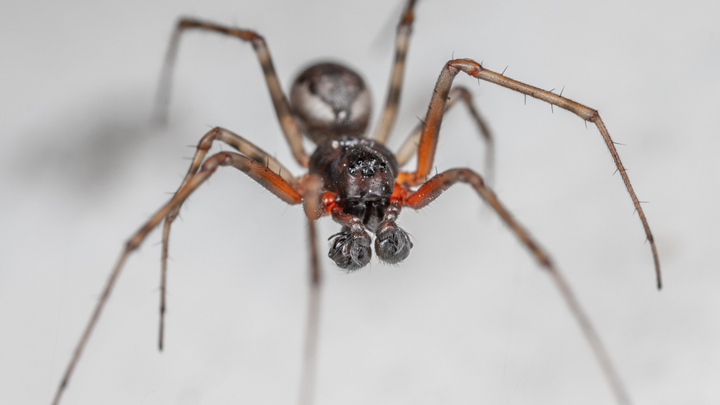
Most people don’t wake up one morning and decide it’s time to call a pest control company. Usually, something happens first. Maybe you spot a line of ants marching across the kitchen floor. Maybe you hear scratching in the attic late at night. Or maybe a few spiders keep showing up in the same corner no matter how many times you remove them. By the time that happens, though, pests have often been around much longer than you think. That’s why homeowners frequently ask us how often they should schedule pest treatments. The honest answer is that it depends on the home, the surrounding environment, and the types of pests you’re trying to prevent. Still, for most families, regular residential pest control in Kansas City is one of the easiest ways to avoid bigger problems down the road.
Why Isn’t One Treatment Enough?
It’s a fair question. If a pest treatment gets rid of the bugs you’re seeing today, why would you need another one a few months later? The answer is simple: pests don’t stop moving just because your home was treated once. Kansas City’s weather changes constantly, and pests change with it. As one season ends, another begins with a different group of insects or rodents becoming active. You might deal with ants in the spring, mosquitoes during the summer, and mice trying to sneak indoors when the weather cools off. We’ve had homeowners tell us they thought they were finished with pest problems after one visit, only to call again several months later for something completely different. It wasn’t because the previous treatment failed. It was because nature never really takes a break. That’s why ongoing residential pest control in Kansas City tends to provide much better long-term protection than waiting until something crawls across the floor.
Every Season Changes What You’re Fighting
Living in the Midwest means dealing with four very different seasons, and pests respond to each one. Spring usually brings the first wave of activity. Ants begin foraging, termites start swarming, spiders become more noticeable, and mosquitoes return after periods of rain. Summer is when things really pick up. Warm temperatures give insects ideal conditions to feed and reproduce. It’s also when homeowners spend more time outside grilling, gardening, and leaving doors open, creating even more opportunities for pests. By fall, the focus shifts. Instead of looking for food outdoors, many pests begin looking for somewhere warm to spend the winter. Tiny openings around doors, garages, and foundations suddenly become attractive entry points. Winter may seem quiet, but pests don’t simply disappear. Rodents continue nesting, spiders remain tucked away inside, and cockroaches stay active in heated homes. Because those seasonal changes never stop, many homeowners find that regular pest services in Kansas City make it easier to stay ahead of problems instead of constantly reacting to them.
Why Quarterly Service Makes Sense
If someone asks us what schedule works well for most homes, quarterly service is usually where we start. Four visits each year allow treatments to change with the seasons instead of trying to solve every pest problem at once. A typical schedule might include:
- Spring treatments before insect populations increase
- Summer protection during peak pest activity
- Fall service before rodents and overwintering insects move inside
- Winter inspections to catch hidden activity before spring returns
We’ve found that homeowners appreciate the consistency. Instead of wondering whether it’s time to call, they know someone is already keeping an eye on things throughout the year.
Some Homes Need More Attention Than Others
Not every house faces the same pest pressure. A newer home in the middle of a subdivision may experience completely different issues than a property surrounded by mature trees or sitting next to a creek. We’ve worked on homes where wildlife, heavy landscaping, or standing water created ongoing pest activity almost year-round. Others only needed routine seasonal maintenance because the surrounding conditions were less inviting. Several factors can increase pest activity, including:
- Mature landscaping
- Nearby woods
- Standing water
- Older foundations
- Crawl spaces
- Pets
- Firewood stored against the home
- Previous infestations
A good Kansas City pest control company won’t recommend the same schedule for every customer. They’ll look at your property first and recommend a plan that fits the way your home is actually used.
Waiting Until You See Pests Usually Means You’re Already Behind
One thing surprises a lot of homeowners. The pests you see are often only a small part of what’s actually happening. Ants may have an established colony outside before you notice the first few workers inside. Rodents often build nests long before anyone hears them moving through the walls. Termites can spend months quietly damaging wood while remaining completely hidden. That’s why preventative pest control services in Kansas City are usually much more effective than emergency treatments after an infestation has become established. Finding problems early almost always means simpler solutions.
What Happens During Routine Pest Control?
Many people imagine pest control as someone walking around the house with a sprayer and leaving fifteen minutes later. Professional service is usually much more involved than that. Every visit gives technicians a chance to see what’s changed since the previous inspection. Depending on the season, they may:
- Check for new pest activity
- Inspect the home’s exterior
- Look for potential entry points
- Monitor rodent signs
- Identify moisture problems
- Remove developing nests
- Recommend maintenance that helps prevent future infestations
Sometimes those conversations are just as valuable as the treatment itself. A homeowner might mention seeing insects in one particular room or noticing standing water after heavy rain—details that help identify problems before they become serious.
Every Home Tells a Different Story
No two properties behave exactly alike. One homeowner may rarely see pests, while the neighbor across the street deals with recurring ant problems every spring. Location plays a big role. Homes close to wooded areas often attract more spiders and rodents. Properties near ponds or creeks may battle mosquitoes throughout the summer. Construction nearby can also disturb existing pest habitats and push insects toward nearby homes. That’s one reason experienced pest control companies in Kansas City prefer to inspect a property instead of making recommendations without seeing it first. Every home has its own challenges.
Apartment Living Has Its Own Challenges
Single-family homes aren’t the only places where pests become a problem. Shared walls, common plumbing lines, utility spaces, and neighboring units all create opportunities for insects and rodents to travel from one apartment to another. We’ve seen situations where one resident kept an exceptionally clean apartment but still experienced recurring pest issues because neighboring units had untreated infestations. That’s why apartment pest control in Kansas City often involves cooperation between residents, property managers, and pest professionals. Treating one apartment without addressing the larger building usually doesn’t solve the problem for long.
Prevention Is Almost Always Easier
Most homeowners understand the importance of changing air filters, cleaning gutters, or servicing the furnace before something breaks. Pest control works much the same way. Routine visits allow small issues to be corrected before they become expensive infestations. Something as simple as sealing a small gap around a utility pipe or correcting a drainage problem may prevent hundreds of pests from entering later. Those small improvements, combined with regular treatments, create much stronger long-term protection than waiting until pests become obvious.
Finding the Right Schedule for Your Home
There isn’t a single schedule that’s perfect for every homeowner. Some properties only need occasional treatments, while others benefit from year-round service because of their location or previous pest history. The important thing is choosing a plan that keeps you ahead of pest activity instead of constantly trying to catch up. When you work with professionals who understand local pest behavior, your treatment plan can change with the seasons instead of remaining the same year after year.
Protect Your Home Before Pests Become a Problem
The best time to deal with pests is usually before you ever see them. Once insects or rodents become noticeable, they’ve often had plenty of time to settle in. Regular residential pest control in Kansas City helps homeowners stay one step ahead by adapting to seasonal changes and catching small problems before they turn into major headaches. Whether your home benefits from quarterly visits or a customized schedule, partnering with a trusted Kansas City pest control company gives you a plan that’s built around your property—not a one-size-fits-all solution. Investing in residential pest control in Kansas City isn’t just about eliminating pests today. It’s about protecting your home, your family, and your peace of mind throughout every season.
Ready to get started? Reach out to Smithereen online to fill out a form or call us at 317-279-6474. We help homeowners. We help businesses. We help people take back control from pests.
We listen. We inspect. We solve problems quickly, and we do it right the first time.

Need help now?
We’re Green Shield Certified to protect your home or facility with expert pest control that works.
Follow us on Facebook and LinkedIn for prevention tips, updates, and behind-the-scenes stories from the field.




 If you’re looking for

 If you’re searching for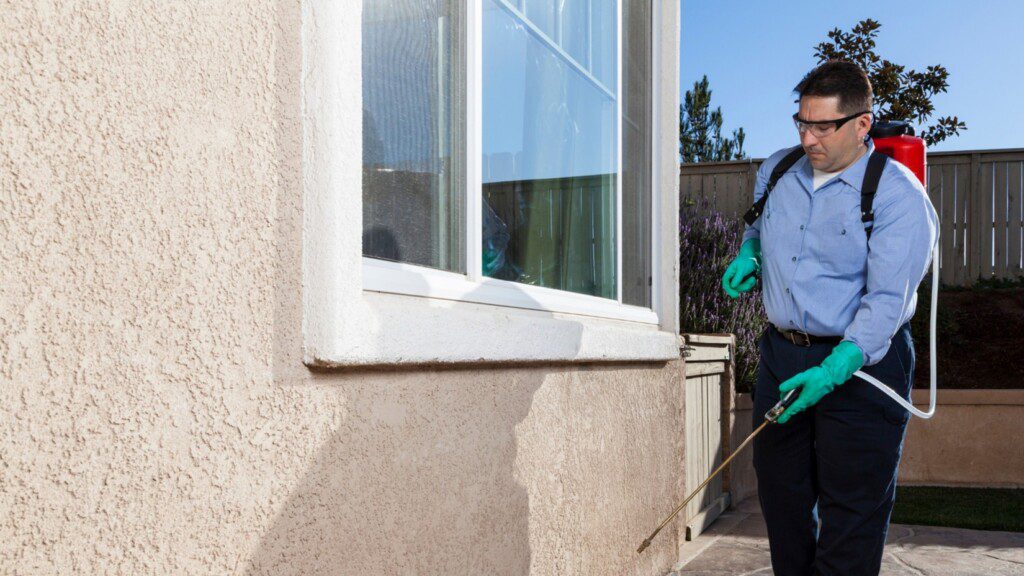
 If you’re searching for an
 If you’re searching for an
  If you’re searching for