- Every Season Brings Different Pest Challenges
- Spring Wakes Everything Up
- Summer Is Peak Season for Pest Activity
- Fall Sends Pests Looking for Shelter
- Winter Doesn't Mean Pests Are Gone
- Rain Can Change Pest Behavior Overnight
- Heat Waves Push Some Pests Inside
- Why Prevention Is Easier Than Elimination
- Every Property Has Its Own Risk Factors
- Protecting Your Home Through Every Season
- Stay Ahead of Seasonal Pest Problems
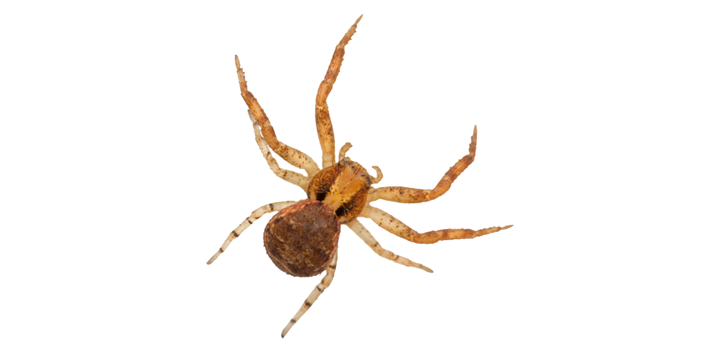
If you’ve owned a home in the Kansas City area for a while, you’ve probably noticed that pest problems seem to come and go with the seasons. One month it’s ants finding their way into the kitchen, then mosquitoes take over the backyard, and before long mice are looking for a warm place to spend the winter. That’s not a coincidence. Weather has a direct impact on how pests behave, where they live, and when they’re most likely to invade your home. Understanding those seasonal patterns can help you stay ahead of problems instead of reacting after they’ve already started. That’s one of the biggest reasons homeowners invest in pest control in Kansas City year-round instead of waiting until they see bugs inside the house.
Every Season Brings Different Pest Challenges
Many people think of pest control as something you only need during the summer, but that’s rarely how it works. Different pests become active for different reasons throughout the year. Some are looking for food, others are searching for water, and many simply want a warm, protected place to survive changing temperatures. We’ve visited homes where a family was surprised to see ants in the spring, only to call us again months later about wasps outside and rodents in the attic after the first cold front. While those seem like separate problems, they’re all connected to seasonal weather. Experienced pest control companies in Kansas City don’t just treat what’s visible today. They pay attention to what pests are likely to do next based on the time of year and local weather conditions.
Spring Wakes Everything Up
After a long Midwest winter, spring is when many insects begin moving again. Warmer temperatures, frequent rain, and blooming landscapes create ideal conditions for pests that have been dormant or hiding through the colder months. It’s common to start seeing:
- Ants exploring kitchens and bathrooms
- Termite swarmers looking for places to establish new colonies
- Spiders becoming more active
- Wasps beginning to build nests around roofs and decks
- Mosquitoes appearing after heavy spring rains
Spring moisture is a big factor. Wet soil, mulch beds, and standing water attract insects while encouraging them to reproduce. At the same time, pests that survived the winter begin searching for dependable food sources. Many homeowners don’t think about pest prevention until they notice bugs inside, but spring is actually one of the best times to stop infestations before they grow with proactive pest control in Kansas City.
Summer Is Peak Season for Pest Activity
When temperatures climb, pest activity usually does the same. Summer provides nearly everything insects need: warmth, moisture, food, and plenty of opportunities to reproduce. That’s why homeowners often feel like pests suddenly appear everywhere once school lets out and outdoor activities become part of the daily routine. Some of the most common summer pests include:
- Ants
- Mosquitoes
- Fleas
- Ticks
- Cockroaches
- Wasps
- Hornets
- Spiders
Backyard barbecues, pet food left outside, overflowing trash cans, and frequent foot traffic can all attract unwanted visitors. One thing many people don’t realize is how quickly insect populations can grow during the summer. What begins as a few ants on the countertop can become a well-established colony in a surprisingly short amount of time. A trusted Kansas City pest control company understands these seasonal patterns and adjusts treatment plans based on what’s most active instead of applying the same approach every month of the year.
Fall Sends Pests Looking for Shelter
As the weather cools, many pests shift from finding food to finding protection. That often means your home. Small gaps around doors, foundation cracks, attic vents, and utility openings suddenly become attractive entry points for insects and rodents trying to escape dropping temperatures. During the fall, homeowners commonly notice:
- Mice
- Rats
- Boxelder bugs
- Stink bugs
- Asian lady beetles
- Spiders
- Crickets
We’ve talked with homeowners who never had a rodent problem before, only to hear scratching in the walls after the first chilly nights arrived. In many cases, the mice had already been inside for days or weeks before anyone noticed. Taking care of small maintenance issues in the fall—like sealing gaps or trimming vegetation away from the home—can make a significant difference before winter arrives.
Winter Doesn’t Mean Pests Are Gone
A lot of people assume cold weather solves pest problems, but that’s rarely the case. While you may not see many insects outdoors, heated homes provide exactly what many pests are looking for. Rodents continue searching for food throughout the winter. Cockroaches stay active in warm kitchens. Spiders remain tucked away in quiet corners, and pantry pests can continue multiplying inside stored food products regardless of the temperature outside. Some of the most common winter pest issues include:
- Mice nesting in insulation
- Rats entering crawl spaces
- Cockroaches
- Pantry pests
- Spiders
Many winter infestations begin quietly, making them harder to notice until the population has grown.
Rain Can Change Pest Behavior Overnight
Rainfall affects pests just as much as temperature does. After several days of rain, mosquito populations often explode because standing water becomes an ideal breeding ground. Ants may move indoors when their underground nests become saturated, while earwigs and other moisture-loving insects start showing up in garages, basements, and bathrooms. Ironically, dry weather can create problems too. When the ground dries out, insects frequently head indoors looking for water. Bathrooms, kitchens, laundry rooms, and basements become much more attractive during long stretches without rain. Weather extremes in either direction tend to increase pest activity around homes, making pest control in Kansas City an important part of year-round home maintenance.
Heat Waves Push Some Pests Inside
Most people expect insects to stay outside during hot weather, but extreme heat often has the opposite effect. When temperatures become excessive, many pests search for cooler environments with reliable moisture. Air-conditioned homes provide exactly that. It’s common to see increased indoor activity from:
- Ants
- Cockroaches
- Silverfish
- Spiders
If you’ve ever wondered why ants suddenly appeared in your kitchen during the hottest week of the summer, that’s often the reason.
Why Prevention Is Easier Than Elimination
One of the biggest mistakes homeowners make is waiting until they have a noticeable infestation before calling for help. By the time you’re seeing pests regularly, they’ve usually been around much longer than you realize. Ant colonies continue expanding behind walls. Rodents may already have nests hidden in the attic. Cockroaches reproduce quickly in dark, secluded spaces before homeowners ever spot one. Routine pest control services in Kansas City are designed to catch those problems early. Rather than simply spraying after pests appear, preventative service focuses on reducing the conditions that attract them in the first place. That may include inspecting the foundation, identifying moisture issues, treating likely entry points, monitoring seasonal pest activity, and making recommendations that help keep pests from returning.
Every Property Has Its Own Risk Factors
No two homes experience pest problems exactly the same way. A property surrounded by mature trees may deal with different insects than a newer subdivision with very little landscaping. Homes near creeks or ponds often see more mosquitoes, while houses bordering open fields may experience greater rodent activity during the fall. Other factors also make a difference, including:
- Foundation type
- Landscaping
- Firewood storage
- Drainage
- Nearby construction
- Pet activity
- Age of the home
That’s why customized pest services in Kansas City generally provide better long-term protection than generic treatments that treat every property the same.
Protecting Your Home Through Every Season
For most homeowners, pest control isn’t just about getting rid of bugs. It’s about protecting the place where your family spends time every day. Rodents can damage wiring and insulation. Termites quietly weaken wood structures. Cockroaches contaminate food preparation areas, while mosquitoes and ticks can make spending time outdoors far less enjoyable. Professional residential pest control in Kansas City helps reduce those risks by focusing on prevention throughout the year instead of chasing one infestation after another.
Stay Ahead of Seasonal Pest Problems
Kansas City’s changing weather means pest activity is always changing too. As one season ends, another begins with a new set of challenges. Understanding those patterns makes it much easier to protect your home before pests become established.
Whether it’s ants in the spring, mosquitoes during the summer, rodents in the fall, or unwanted winter visitors, a proactive approach is almost always more effective than waiting until the problem becomes obvious. When you partner with professionals who understand local pest behavior and seasonal trends, pest control in Kansas City becomes more than a one-time service—it becomes an ongoing strategy for keeping your home comfortable, protected, and pest-free all year long.
Ready to get started? Reach out to Smithereen online to fill out a form or call us at 317-279-6474. We help homeowners. We help businesses. We help people take back control from pests.
We listen. We inspect. We solve problems quickly, and we do it right the first time.

Need help now?
We’re Green Shield Certified to protect your home or facility with expert pest control that works.
Follow us on Facebook and LinkedIn for prevention tips, updates, and behind-the-scenes stories from the field.