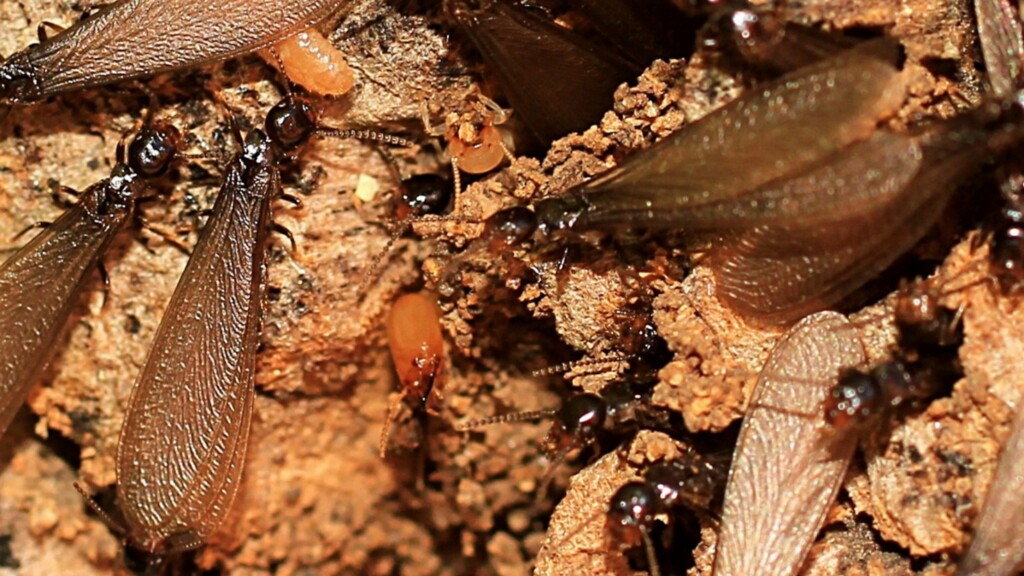
There is a reason people reach for store products first. They want to stop the damage fast. They do not want a big bill if the issue turns out to be smaller than feared. And to be honest, some pest problems really can be handled at home if you catch them early enough.
Still, termite control in Kansas City is different because termites usually stay behind the scenes. The bit of damage you can see may not tell you where the colony is, how active it is, or how far the insects have already moved. That uncertainty is what makes DIY risky.
Why a pro starts with answers, not just product
When a homeowner calls a termite extermination company in Kansas City, the first real advantage is not the treatment itself. It is the diagnosis. A trained technician is looking for where the activity is coming from, what kind of exposure the home has, where moisture is helping, and whether the damage is fresh or old. That changes everything.
Without that step, people wind up treating symptoms. They hit the area that looks bad, then hope they guessed right. Sometimes they did not. A good termite job is about pattern, access, and coverage. It is not just about applying something to the one place that caught your eye.
Why termite control in Kansas City usually works better than DIY
Termites move through soil, wood, wall spaces, and structural gaps that are easy to miss if you do not inspect homes for a living. Professional treatment is built around that reality. Depending on the property, it may involve a barrier treatment, a baiting approach, or a plan tailored to the structure and the activity level. The point is not that every house gets the same service. The point is that the service should fit the house.
That is where termite treatment in Kansas City tends to beat DIY. Professional work has a better chance of reaching the source and protecting the property beyond the one damaged board or wall section that made the homeowner nervous in the first place.
Inspection is half the value
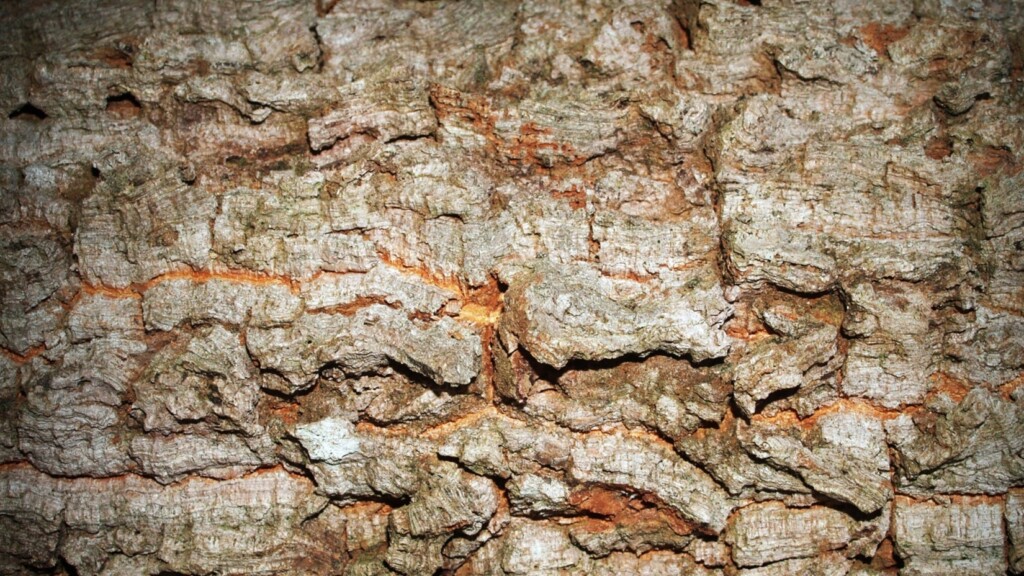
People sometimes treat inspection like an extra. With termites, it is part of the fix. A serious termite inspection in Kansas City can show where wood meets soil, where moisture is lingering, where hidden entry points may exist, and whether there are other vulnerable areas the homeowner has not noticed yet.
That is also why Kansas City termite inspection services matter even when the visible damage seems small. Catching the whole pattern early can be the difference between a manageable treatment and a much uglier repair conversation later.
If the goal is confidence, the pro route usually wins
DIY can feel cheaper, and sometimes it looks faster. But termites are not a pest most people want to “probably” solve. If the colony stays active, the home pays for it, not the product label. That is why homeowners often circle back to professional help after losing time trying to judge the problem from the outside.
In plain terms, termite control in Kansas City is usually better left to someone who can inspect thoroughly, treat the right areas, and confirm the problem is actually under control. When people want real termite removal in Kansas City, that extra certainty is worth a lot.
FAQ
Can I spot termite damage on my own?
Sometimes, but visible damage does not always show how far the activity goes.
Is hiring a pro always necessary?
For termites, it is usually the smarter move because hidden activity is the whole issue.
What makes termites so different from other pests?
A lot of the problem happens out of sight, which is why termite control in Kansas City depends so much on inspection and targeted treatment.
Ready to get started? Reach out to Smithereen online to fill out a form or call us at 317-279-6474. We help homeowners. We help businesses. We help people take back control from pests.
We listen. We inspect. We solve problems quickly, and we do it right the first time.

Need help now?
We’re Green Shield Certified to protect your home or facility with expert pest control that works.
Follow us on Facebook and LinkedIn for prevention tips, updates, and behind-the-scenes stories from the field.