Pest problems don’t usually start big. They build quietly. With residential pest control in Kansas City, we’ve seen how something small—like a gap under a door or a bit of moisture—can turn into a full infestation if it’s ignored too long.
- Why Do Pest Problems Keep Happening in Overland Park?
- What Actually Attracts Pests to a Home?
- What Are the Most Effective Ways to Prevent an Infestation?
- Start With Entry Points—That’s Where Most Problems Begin
- Keep Food Areas Under Control (Not Perfect—Just Consistent)
- Don’t Ignore the Outside of Your Home
- Get a Professional Set of Eyes on the Property
- How We Handle Pest Prevention at Smithereen
- What Do You Actually Gain From Preventive Pest Control?
- Who Should Take Prevention More Seriously?
- FAQs About Preventing Pest Infestations
- Prevention Is Always Easier Than Treatment
Why Do Pest Problems Keep Happening in Overland Park?
We’ve walked through plenty of homes over the last 135 years where the homeowner thought the issue “just appeared.” In reality, the conditions had been there for a while. That’s why prevention matters more than reacting after the fact, especially if you’re relying on pest control only when something shows up.
What Actually Attracts Pests to a Home?
Most pests are looking for the same basic things. Nothing complicated.
- Food that they can access easily
- Moisture or standing water
- A place to hide or nest
Sometimes it’s obvious. Sometimes it’s not.
We’ve seen ant problems caused by a single pantry item not sealed properly. We’ve also seen rodent activity tied to a gap most people would walk past without noticing.
That’s why solid residential pest control always starts with understanding the “why,” not just the pest itself.
What Are the Most Effective Ways to Prevent an Infestation?
There isn’t one single fix. It’s a combination of habits and awareness.
Start With Entry Points—That’s Where Most Problems Begin
If pests can’t get in, you’ve already solved half the problem.
Take a slow walk around your home and look closely at:
- Door thresholds
- Window edges
- Utility openings
Even small gaps matter. We’ve seen mice enter through openings that don’t seem possible at first glance.
Keep Food Areas Under Control (Not Perfect—Just Consistent)
You don’t need a spotless home. But you do need to limit easy access.
A few things that make a real difference:
- Use sealed containers for dry food
- Wipe surfaces at the end of the day
- Don’t leave pet food sitting out overnight
These habits reduce the need for reactive pest control services later on.
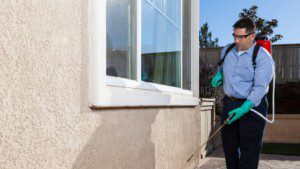
Don’t Ignore the Outside of Your Home
A lot of infestations don’t start inside. They move inside.
Your yard matters more than most people think.
- Trim back bushes touching the house
- Keep mulch and soil from piling against the siding
- Clear out debris that can hold moisture
We often trace indoor pest issues back to conditions outside. It’s a pattern we see often with residential pest control.
Get a Professional Set of Eyes on the Property
Even if everything looks fine, that doesn’t always mean it is.
There are early signs that most homeowners won’t catch. That’s normal.
When we inspect a property, we’re looking for things like subtle termite activity, early nesting spots, or entry points that haven’t caused problems yet—but will.
That’s usually the point where people start comparing pest control companies more seriously.
How We Handle Pest Prevention at Smithereen
We keep things straightforward.
The first step is always a full inspection. Not rushed. Not surface-level.
We look at how the home is set up, where vulnerabilities exist, and what pests are most likely based on location and conditions. From there, we build a plan that fits that specific property.
We’ve handled everything from bed bug removal to wildlife and bird control. That kind of range matters, because prevention isn’t just about insects—it’s about understanding behavior across different types of pests.
That’s what shapes how we deliver our pest services in Kansas City.
What Do You Actually Gain From Preventive Pest Control?
A lot of homeowners wait until there’s a visible issue. By that point, the situation is already established.
Prevention shifts that completely.
- You deal with fewer surprises
- You reduce the chance of damage to your home
- You avoid repeat problems
- You spend less over time
It’s also just easier. You’re not reacting under pressure—you’re staying ahead of it with consistent residential pest control.
Who Should Take Prevention More Seriously?
Some homes are naturally at higher risk.
We usually see more recurring issues in:
- Older homes with more structural gaps
- Properties near trees or water
- Homes that have had past infestations
- Multi-unit housing needing apartment pest control
That doesn’t mean other homes are immune. It just means the margin for error is smaller in these situations.
FAQs About Preventing Pest Infestations
How often should a home be inspected?
Once a year is a good baseline. If you’ve had issues before, more frequent checks can help prevent repeat problems.
Can basic prevention really make a difference?
Yes. Small changes—like sealing gaps or fixing moisture—can stop problems before they start. But they work best when paired with professional inspections.
What pests are most common in this area?
We regularly deal with ants, spiders, rodents, termites, mosquitoes, and wasps. Activity shifts depending on the season, but those are the usual ones.
Prevention Is Always Easier Than Treatment
At Smithereen, we focus on catching those problems early. Our inspections are detailed, and our approach is built around long-term prevention—not quick fixes.
If you’re dealing with recurring issues or just want peace of mind, we’re here to help. Reach out today to learn more about reliable pest control and get a plan that fits your home.
Ready to get started? Reach out to Smithereen online to fill out a form or call us at 317-279-6474 . We help homeowners. We help businesses. We help people take back control from pests.
We listen. We inspect. We solve problems quickly, and we do it right the first time.

Need help now?
We’re Green Shield Certified to protect your home or facility with expert pest control that works.
Follow us on Facebook and LinkedIn for prevention tips, updates, and behind-the-scenes stories from the field.