A pest can disappear after treatment and return weeks later. That does not always mean the original service failed. It may mean eggs hatched, a hidden nest remained active, new pests entered through the same opening, or the property still provides food, water, and shelter. Recurring activity is frustrating, but it usually has an explanation. The key is to stop treating every sighting as an isolated event. Effective pest control in Kansas City looks at the full cycle of infestation, including how pests enter, reproduce, move through a building, and respond to seasonal conditions.
- Some Treatments Are Designed to Work Over Time
- The Source May Be Hidden
- Entry Points May Still Be Open
- Food and Water Can Sustain the Problem
- Connected Buildings Create Shared Pest Problems
- Weather Can Push New Pests Indoors
- Household Products Can Scatter Activity
- Follow-Up Should Be Based on Evidence
- Prevention Is Part of the Treatment
Some Treatments Are Designed to Work Over Time
Homeowners often expect every pest to vanish immediately. Certain methods produce a quick reduction, but others rely on pests carrying bait back to a nest or colony. The visible activity may not stop on day one. Eggs can also complicate the timeline. A product that reaches active insects may not affect every protected egg. New activity can appear after hatching, even when the adult population has been reduced. Follow-up timing should reflect the life cycle of the pest rather than a generic calendar. A technician should explain what to expect. That includes whether activity may briefly increase, how long the process usually takes, and when another visit is appropriate.
The Source May Be Hidden
Killing the pests that cross an open floor does not necessarily reach the place where they live. Ants may be nesting inside a wall or outside near the foundation. Cockroaches may be concentrated behind equipment or inside tight utility areas. Rodents may travel through an attic, crawl space, or shared wall. This is why inspection matters. A recurring problem often calls for a second look at where activity is strongest and what has changed since the first service. Monitoring devices can reveal routes that were not obvious during the initial visit. When comparing pest control companies in Kansas City, homeowners should ask how the company investigates persistent activity rather than simply repeating the same application.
Entry Points May Still Be Open
If pests can continue entering, the home may appear reinfested even after the original population is removed. Common access points include gaps around plumbing and utility lines, worn door sweeps, damaged screens, foundation cracks, siding gaps, and openings near vents. Rodents may also exploit roofline gaps or spaces where attached structures meet. Sealing needs to match the pest. A repair that blocks a mouse may have little effect on small insects. Some openings can be corrected during pest service, while others require building maintenance. Either way, the homeowner should know which areas remain vulnerable.
Food and Water Can Sustain the Problem
Pests need resources. Small amounts can be enough. Crumbs under an appliance, residue in a recycling bin, pet food, grease near cooking equipment, or an overlooked pantry spill may support insects. A dripping pipe, damp cabinet, condensate line, or floor drain can provide water. Outdoors, standing water, leaf litter, and dense vegetation can increase pressure around the home. Correcting these conditions does not replace treatment, but it can make treatment more effective. The aim is to remove alternatives so pests interact with the control strategy and have fewer reasons to remain.
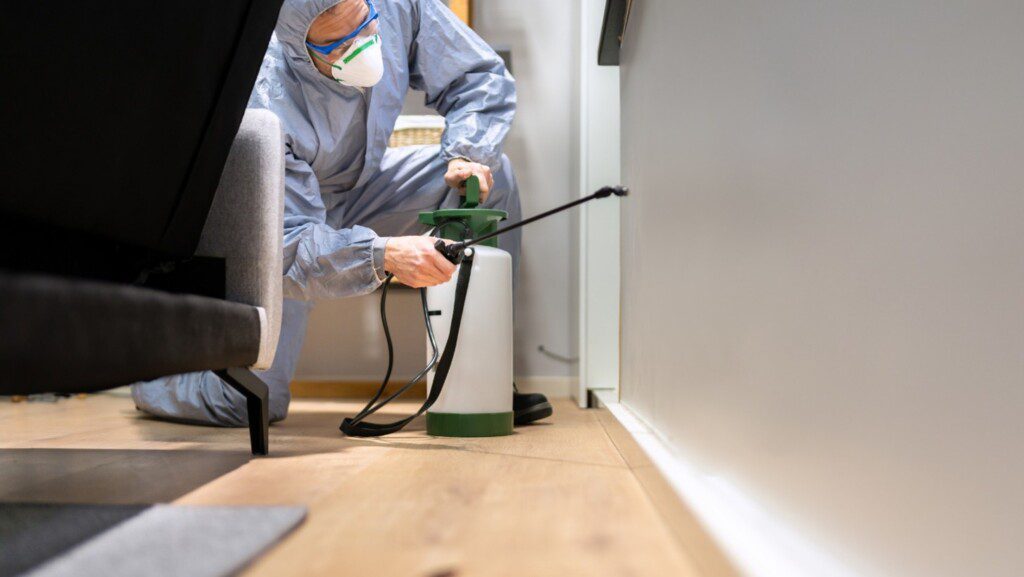
Connected Buildings Create Shared Pest Problems
Apartments, townhomes, duplexes, and mixed-use buildings require a broader view. Pests can move through wall voids, utility lines, corridors, and neighboring units. One resident may keep a spotless home and still experience activity originating elsewhere. In these settings, treating one unit may provide only temporary relief. Management may need to inspect adjacent spaces, improve reporting, coordinate preparation, and address building-level maintenance. Communication is as important as the treatment itself. Smithereen’s Kansas City page specifically lists apartment pest control among its residential services. That is relevant because recurring activity in multi-unit housing often requires coordination beyond a single apartment.
Weather Can Push New Pests Indoors
Kansas City weather changes pest behavior. Heavy rain can displace insects. Heat and drought can drive pests toward moisture. Cooler weather can send rodents and insects looking for shelter. A return of activity after a weather change may be a new wave of pressure rather than survival of the original infestation. Exterior inspection and prevention become especially important when seasonal movement is involved. This is also why a one-time treatment is not the right answer for every property. Homes with persistent exterior pressure, recurring moisture, or structural vulnerabilities may benefit from a preventive plan.
Household Products Can Scatter Activity
Do-it-yourself products sometimes kill exposed pests while pushing others deeper into hiding or into another room. Using several products at once can also interfere with professional baits or make it difficult to tell which method is working. Homeowners should tell the technician what has already been applied and where. That information can affect product choice and placement. After professional service, follow the instructions provided rather than adding a new spray whenever activity appears.
Follow-Up Should Be Based on Evidence
Recurring pests call for reassessment. A useful follow-up should answer specific questions:
- Is activity lower, higher, or simply occurring in a different place?
- Are monitoring devices showing a clear travel route?
- Were recommended repairs or sanitation changes completed?
- Is another unit or neighboring area contributing to the problem?
- Does the treatment need more time, or does the strategy need to change?
A dependable Kansas City pest control company should be able to explain why the next step is appropriate. Repeating a treatment without reviewing the evidence can prolong the problem.
Prevention Is Part of the Treatment
The most durable pest plans combine removal with prevention. Products may reduce the active population. Exclusion limits entry. Moisture correction removes water. Sanitation reduces food and shelter. Monitoring shows whether the plan is holding. No home can be made permanently immune to every pest. Deliveries arrive, doors open, weather changes, and buildings age. Still, a thoughtful plan can make the property much less inviting and help new activity get noticed earlier. For homeowners evaluating residential pest control in Kansas City, the right question is not only, “What will kill the pests I see?” It is also, “What will keep this same problem from rebuilding?” The second question is where long-term control begins.
Ready to get started? Reach out to Smithereen online to fill out a form or call us at 317-279-6474 . We help homeowners. We help businesses. We help people take back control from pests. We listen. We inspect. We solve problems quickly, and we do it right the first time.
Need help now? We’re Green Shield Certified to protect your home or facility with expert pest control that works. Follow us on Facebook and LinkedIn for prevention tips, updates, and behind-the-scenes stories from the field.