 Most homeowners expect to see the occasional spider or ant during the year, but rodents are different. Mice and rats don’t just become a nuisance—they can damage your home, contaminate food, and create health concerns if they’re allowed to stick around. The tricky part is that they’re good at staying out of sight. In many cases, homeowners hear them or notice small clues long before they ever see one running across the floor. Knowing what to look for can help you address the problem before it gets worse. That’s why recognizing the early signs and scheduling rodent control in Kansas City when something feels off can save you a lot of frustration later.
- Rodents Rarely Make a Grand Entrance
- Strange Noises After Dark
- Droppings Should Never Be Ignored
- Gnaw Marks Around the Home
- Unpleasant Odors Can Be a Clue
- Pets Often Notice Rodents First
- Finding Nesting Materials
- Why Rodents Move Indoors
- Why DIY Solutions Often Fall Short
- Rodent Problems Often Reveal Other Concerns
- Choosing the Right Professional
- Don't Wait for the Problem to Grow
Rodents Rarely Make a Grand Entrance
One of the biggest misconceptions about rodents is that you’ll immediately know they’re in your home. The truth is, most people don’t. We’ve talked with homeowners who thought they heard something in the attic for weeks before realizing mice had made themselves comfortable. Others noticed a few droppings in the garage but assumed one mouse had wandered in from outside. By the time they called, there were multiple nesting areas hidden behind walls or inside the attic insulation. Rodents are naturally cautious. They prefer to travel behind appliances, inside wall cavities, and through crawl spaces where they can move without being seen. That’s why it’s important to pay attention to the small warning signs instead of waiting until you actually spot one.
Strange Noises After Dark
One of the first clues many homeowners notice is unusual noise. If you hear scratching, scurrying, or light movement after everyone has gone to bed, rodents may be the reason. Because mice and rats are most active at night, those sounds often come from:
- Attics
- Wall cavities
- Crawl spaces
- Ceilings
- Behind kitchen cabinets
Of course, not every noise means rodents are present, but repeated sounds in the same area deserve a closer look.
Droppings Should Never Be Ignored
Finding rodent droppings is one of the clearest signs that it’s time to act. They’re commonly found:
- Under sinks
- Inside pantries
- Along garage walls
- Behind appliances
- Near pet food
- Inside storage boxes
Some homeowners clean them up once and hope the problem disappears. Unfortunately, fresh droppings usually mean rodents are still active somewhere nearby. Rather than guessing where they’re coming from, scheduling professional rodent control in Kansas City helps identify both the source and how they’re getting inside.
Gnaw Marks Around the Home
Rodents constantly chew because their teeth never stop growing. That means they’ll gnaw on almost anything they can find. Common examples include:
- Cardboard boxes
- Food packaging
- Plastic containers
- Wooden trim
- Baseboards
- Electrical wiring
Chewed wiring is especially concerning because it increases the risk of electrical problems and even house fires. If you notice fresh bite marks around stored items or utility areas, it’s a good idea to have your home inspected before additional damage occurs.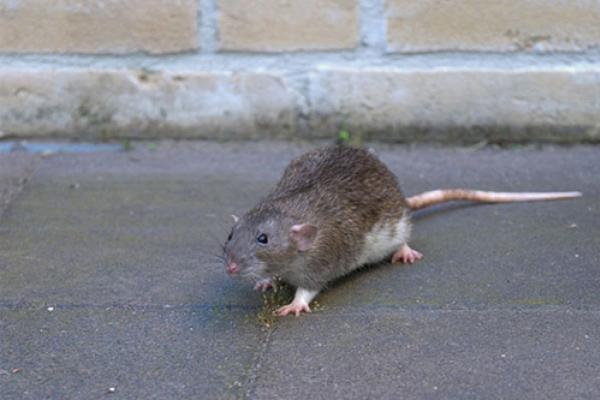
Unpleasant Odors Can Be a Clue
Sometimes homeowners notice an unusual smell before they notice anything else. Rodent infestations often create:
- Musty odors
- Urine smells
- Nesting odors
- Lingering unpleasant scents in enclosed spaces
These smells tend to become stronger as rodent activity increases. If an odor seems to appear without an obvious explanation, particularly in attics, basements, or crawl spaces, rodents may be responsible.
Pets Often Notice Rodents First
Dogs and cats have much stronger senses than we do. Many homeowners first realize something is wrong because their pet suddenly becomes fascinated with one section of the house. You might notice your dog:
- Barking at the same wall
- Sniffing under cabinets
- Staring toward the attic
- Pawing near appliances
Cats may spend long periods watching one corner of a room or listening near vents. While pets aren’t a substitute for an inspection, unusual behavior sometimes provides an early warning.
Finding Nesting Materials
Rodents don’t simply enter a home to look for food. They’re also searching for safe places to build nests. They often gather materials such as:
- Paper
- Cardboard
- Fabric
- Insulation
- Dryer lint
- Pet bedding
These nests are usually hidden inside attics, wall voids, storage rooms, or behind large appliances. Finding shredded materials where they don’t belong often points to active rodent activity.
Why Rodents Move Indoors
Many homeowners wonder why rodents choose their home in the first place. Usually, they’re looking for three things:
- Food
- Water
- Shelter
As temperatures cool during the fall, homes become especially attractive. Even tiny openings around foundations, utility lines, garage doors, or rooflines provide enough space for mice to squeeze inside. Once they’re comfortable, rodents continue searching for food while remaining hidden during the day.
Why DIY Solutions Often Fall Short
It’s tempting to set a few traps and hope the problem goes away. Sometimes that works for a single mouse. But if rodents have already established nesting areas, removing one or two doesn’t solve the larger issue. The real challenge is identifying:
- How they’re getting inside
- Where they’re nesting
- What food sources they’re using
- Why they’re staying
An experienced rodent exterminator in Kansas City looks beyond the rodents you see and focuses on eliminating the conditions allowing the infestation to continue.
Rodent Problems Often Reveal Other Concerns
One thing we’ve learned over the years is that pest problems rarely exist in isolation. A home with easy rodent access may also have gaps that allow insects inside. Moisture problems that attract rodents can also encourage ants, spiders, or cockroaches. That’s why many homeowners choose an exterminator in Kansas City who can evaluate the entire property instead of addressing only one pest. Comprehensive inspections often identify issues homeowners weren’t even aware of. In many cases, homeowners who invest in bug control in Kansas City also appreciate having their property evaluated for rodent activity at the same time, since both services focus on keeping unwanted pests outside where they belong.
Choosing the Right Professional
Not every pest issue requires the same approach. When rodents are involved, experience matters. A knowledgeable Kansas City rodent exterminator won’t simply place traps and leave. They’ll inspect your home, identify likely entry points, explain why rodents are present, and recommend practical steps that help prevent future infestations. The goal isn’t just getting rid of today’s rodents. It’s making your home less inviting tomorrow. Many full-service pest professionals can also help with seasonal insect concerns, whether you need routine prevention or specialized services from a bed bug exterminator in Kansas City if a completely different pest problem ever arises.
Don’t Wait for the Problem to Grow
Rodents reproduce quickly, and the longer they’re allowed to stay, the more difficult they often become to eliminate. What begins as a single mouse can eventually become a much larger infestation hidden behind walls or above the ceiling. Acting early is almost always easier—and less expensive—than waiting until damage becomes obvious.
If you’ve noticed scratching sounds, droppings, unusual odors, or other warning signs, now is the time to schedule rodent control in Kansas City. Working with an experienced rodent exterminator in Kansas City gives you the confidence that the problem is being addressed thoroughly, helping protect your home, your family, and your peace of mind before a small issue turns into a much bigger one.
Ready to get started? Reach out to Smithereen online to fill out a form or call us at 317-279-6474. We help homeowners. We help businesses. We help people take back control from pests.
We listen. We inspect. We solve problems quickly, and we do it right the first time.

Need help now?
We’re Green Shield Certified to protect your home or facility with expert pest control that works.
Follow us on Facebook and LinkedIn for prevention tips, updates, and behind-the-scenes stories from the field.