- A Good Inspection Starts With Listening
- The Exterior Should Be Carefully Evaluated
- Interior Areas Need Just as Much Attention
- Moisture Problems Should Never Be Ignored
- Signs of Previous Activity Matter Too
- You Should Receive Clear Explanations
- Treatment Should Match the Home
- Prevention Should Be Part of Every Inspection
- Local Experience Makes a Difference
- What Happens if Termites Are Found?
- Peace of Mind Is One of the Biggest Benefits
- Protect Your Home Before Problems Grow
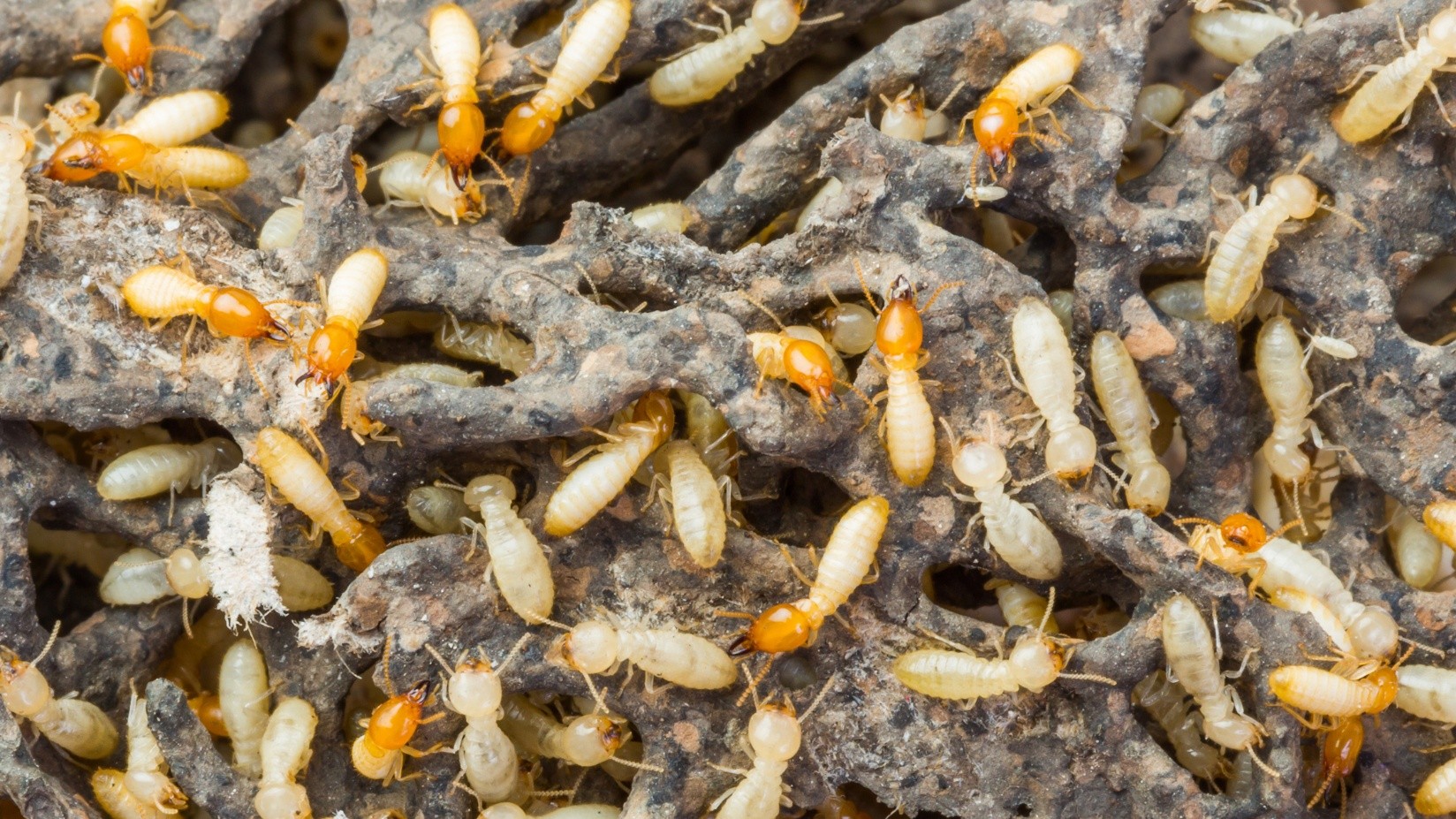
Most homeowners hope they’ll never have to deal with termites. The challenge is that termites rarely make themselves known until they’ve already had time to cause damage. Unlike other household pests, they don’t leave obvious clues right away. Instead, they quietly work behind walls, beneath floors, and inside structural wood where they’re easy to miss. That’s why scheduling Kansas City termite inspection services is one of the smartest steps homeowners can take. A quality inspection isn’t just about confirming whether termites are present—it’s about understanding your home’s condition, identifying potential risks, and helping prevent costly repairs before they become necessary.
A Good Inspection Starts With Listening
Before anyone starts looking around the outside of your home, the inspection should begin with a conversation. Every house has its own story. Maybe you’ve noticed a window that’s suddenly difficult to open. Perhaps you’ve seen small piles of wings near a window sill after a warm spring day. Or maybe you’re simply buying a home and want reassurance before closing. Those details matter. We’ve found that homeowners often notice subtle changes without realizing they could point to termite activity. Sharing those observations gives the inspector a better idea of where to focus attention. A professional inspection shouldn’t feel rushed. You should feel comfortable asking questions and understanding what the inspector is looking for throughout the process.
The Exterior Should Be Carefully Evaluated
Most termite problems begin outside the home. That’s why one of the first steps during termite inspection in Kansas City is examining the property’s exterior. An experienced inspector will typically look at:
- Foundation walls
- Exterior siding
- Porch posts
- Deck supports
- Expansion joints
- Utility entry points
- Landscaping near the foundation
- Areas where wood touches the soil
These locations often provide termites with easy access to a structure. The goal isn’t simply finding active termites. It’s also identifying conditions that could invite them onto the property in the future.
Interior Areas Need Just as Much Attention
A thorough inspection doesn’t stop at the foundation. Inside the home, inspectors usually examine areas where termites are most likely to remain hidden. Depending on the home’s layout, this may include:
- Basements
- Crawl spaces
- Utility rooms
- Garages
- Window frames
- Door frames
- Exposed structural wood
- Areas with plumbing or moisture concerns
They’re looking for much more than visible insects. Soft wood, mud tubes, damaged framing, moisture stains, or hollow-sounding lumber can all provide valuable clues that deserve a closer look. Sometimes everything appears perfectly normal—and that’s good news too. Knowing your home is free of termite activity provides valuable peace of mind.
Moisture Problems Should Never Be Ignored
One thing many homeowners don’t realize is how closely moisture and termites are connected. While termites don’t necessarily require standing water, damp conditions make a property much more attractive. During an inspection, professionals often pay close attention to:
- Leaking hose bibs
- Poor drainage
- Standing water
- Clogged gutters
- Improper grading
- Crawl space humidity
- Plumbing leaks
Addressing these issues doesn’t just help protect your home from moisture damage. It also reduces conditions that encourage termite activity in the first place. That’s why inspections often include recommendations that go beyond pest control alone.
Signs of Previous Activity Matter Too
Even if termites aren’t currently active, evidence of previous infestations can still be important.
- Old mud tubes.
- Previous repairs.
- Past treatment holes.
- Damaged wood that’s no longer active.
These findings help inspectors understand the property’s history and determine whether additional monitoring or preventive measures may still be worthwhile. Good Kansas City termite inspection services don’t simply answer whether termites are present today. They provide a broader picture of the home’s long-term termite risk.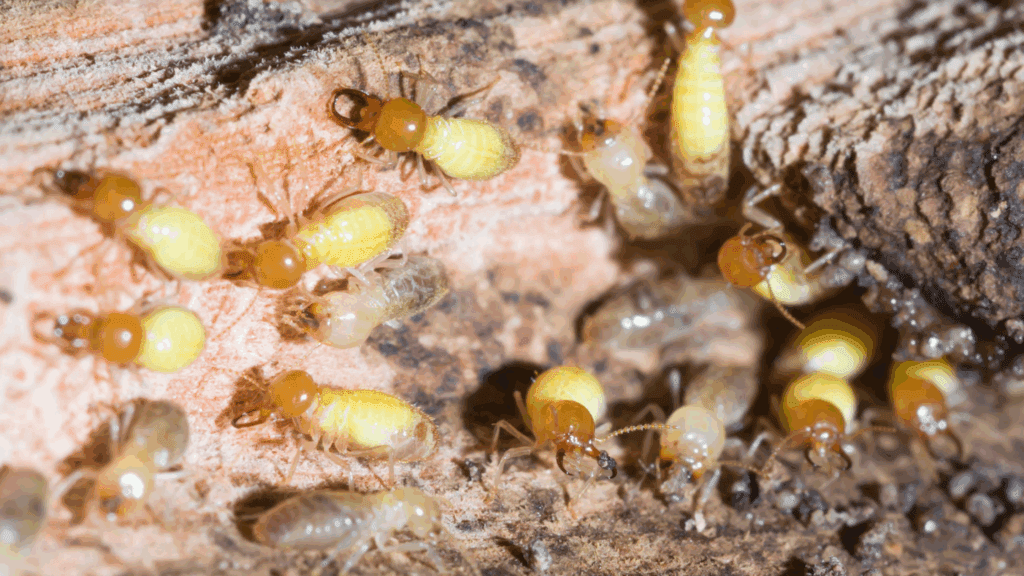
You Should Receive Clear Explanations
One of the most valuable parts of any inspection happens after it’s finished. Homeowners deserve to understand what was found. A good inspector will explain:
- Areas that were inspected
- Any signs of termite activity
- Conditions that increase future risk
- Whether additional monitoring is recommended
- If treatment is necessary
- Steps homeowners can take to reduce future problems
Those conversations shouldn’t be filled with technical jargon. The best inspectors explain everything in a way that’s easy to understand so homeowners can make informed decisions without feeling pressured.
Treatment Should Match the Home
If termites are discovered, recommendations should be based on your home’s specific situation. There isn’t one treatment that’s right for every property. Depending on the findings, recommendations may include:
- Soil treatments
- Bait systems
- Localized wood applications
- Ongoing monitoring
- Preventive protection
Professional termite treatment in Kansas City should always be based on inspection results rather than a one-size-fits-all approach. Every home has different construction, landscaping, moisture levels, and risk factors.
Prevention Should Be Part of Every Inspection
A quality inspection isn’t only about identifying existing termites. It’s also about helping homeowners avoid future infestations. Inspectors often recommend practical improvements such as:
- Keeping mulch away from siding
- Repairing leaking outdoor faucets
- Improving drainage
- Removing wood debris near the foundation
- Increasing ventilation in crawl spaces
- Storing firewood away from the home
These simple recommendations work together with professional termite control in Kansas City to reduce the likelihood of future termite activity. Small changes today can help prevent much larger repairs later.
Local Experience Makes a Difference
Termites don’t behave exactly the same in every part of the country. Kansas City’s changing weather, soil conditions, and seasonal moisture all influence termite activity throughout the year. That’s why local experience matters. An experienced termite extermination company in Kansas City understands when termite swarms are most common, what warning signs tend to appear first, and which treatment strategies have proven most effective in this area. That knowledge helps inspectors recognize potential problems that someone unfamiliar with local conditions could easily overlook.
What Happens if Termites Are Found?
Discovering termites doesn’t automatically mean your home has suffered severe damage. In many cases, the problem is caught early enough that treatment can begin before significant structural issues develop. If activity is confirmed, your inspector should explain:
- Where termites were found
- How extensive the activity appears
- Which treatment options make the most sense
- What happens during treatment
- Whether follow-up inspections will be recommended
If necessary, professional termite removal in Kansas City can eliminate active colonies while reducing the chance of future infestations. The important thing is addressing the issue promptly instead of hoping it resolves itself.
Peace of Mind Is One of the Biggest Benefits
Many homeowners schedule inspections simply because they want reassurance. Maybe they’re purchasing an older home. Maybe a neighbor recently discovered termites. Or maybe it’s been years since anyone evaluated the property. Whatever the reason, knowing your home has been thoroughly inspected provides confidence that hidden problems aren’t developing unnoticed. Even when no termites are found, homeowners leave with a better understanding of their home’s condition and what they can do to keep it protected.
Protect Your Home Before Problems Grow
Termites may be quiet, but the damage they cause can become expensive if they’re allowed to go unnoticed. That’s why investing in professional Kansas City termite inspection services is about much more than checking for insects. It’s about understanding your home’s condition, identifying potential risks, and creating a plan that helps protect one of your biggest investments. Whether your inspection confirms everything looks good or reveals the need for termite treatment in Kansas City or termite removal in Kansas City, the right professionals will explain every step along the way. Working with an experienced termite extermination company in Kansas City gives homeowners the confidence that any concerns are addressed thoroughly, while ongoing termite control in Kansas City helps keep the home protected well into the future.
Ready to get started? Reach out to Smithereen online to fill out a form or call us at 317-279-6474. We help homeowners. We help businesses. We help people take back control from pests.
We listen. We inspect. We solve problems quickly, and we do it right the first time.

Need help now?
We’re Green Shield Certified to protect your home or facility with expert pest control that works.
Follow us on Facebook and LinkedIn for prevention tips, updates, and behind-the-scenes stories from the field.