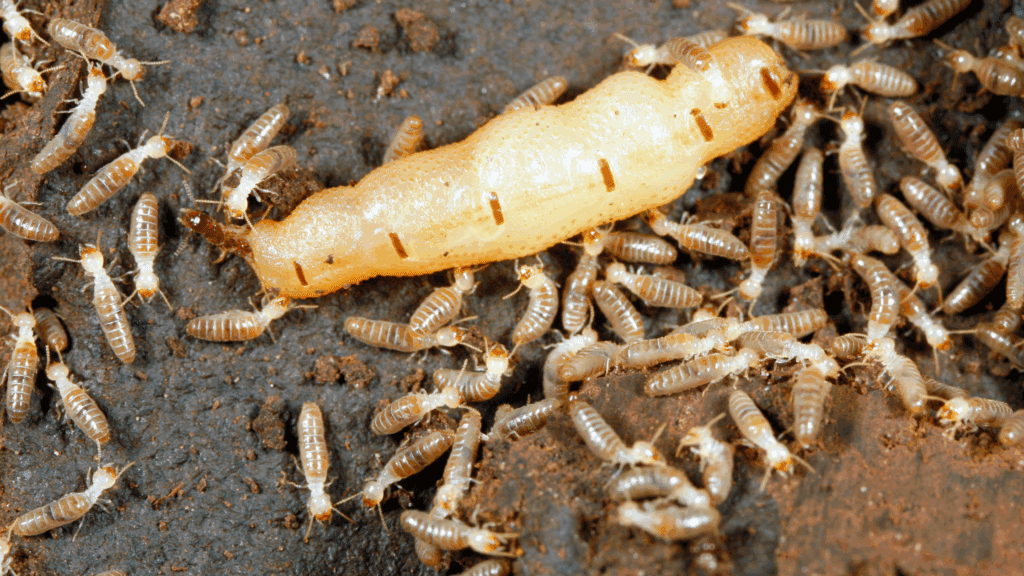
Finding a pest is easy. Finding out why it is there can be much harder. An ant on the counter, a cockroach near a drain, or a mouse dropping in a cabinet is evidence of a problem, but it does not explain where the pest entered, how far it has spread, or what conditions are helping it survive. That is the purpose of a professional pest inspection. It turns a visible symptom into a practical plan. Before scheduling pest control in Kansas City, homeowners can make better decisions when they understand what a thorough inspection should include and what happens after it is complete.
The Inspection Begins With Questions
A technician should not begin with treatment. The first step is learning what the homeowner has noticed. Useful details include where the pest was seen, when activity started, whether it is more common at night, and whether the problem changes with rain or temperature. Recent plumbing work, deliveries, travel, landscaping changes, and neighboring construction may also be relevant. In an apartment or attached home, activity in nearby units can matter too. Homeowners do not need to identify the pest before the appointment. Photos, captured specimens, damaged food packages, droppings, and notes about timing can all help the technician build a more accurate picture.
A Technician Looks Beyond the Room Where the Pest Appeared
Pests often travel. The place where one is spotted may not be the source of the problem. An inspection may include kitchens, bathrooms, basements, utility rooms, garages, attics, crawl spaces, and the exterior perimeter. The technician may check beneath sinks, around pipe penetrations, behind appliances, near floor drains, and along foundation lines. Outdoors, attention may shift to moisture, vegetation, gaps around utilities, damaged screens, and openings near doors or rooflines. The goal is to understand three things: entry, shelter, and food. A treatment plan is more likely to hold when all three are addressed.
Pest Identification Changes the Plan
Different pests require different responses. Even pests that look similar may behave differently. For example, the location of an ant nest affects how it should be managed. Mouse activity calls for a different inspection than rat activity. A beetle found near a window may have wandered indoors, while beetles found in stored food point to another source entirely. Accurate identification helps prevent unnecessary treatment. It also guides decisions about placement, timing, monitoring, sanitation, and exclusion. This is one reason a qualified Kansas City pest control company should inspect before recommending a standard package.
Moisture and Food Sources Receive Close Attention
Many pest problems are supported by ordinary household conditions. A slow leak under a sink, condensation near a pipe, crumbs beneath an appliance, or pet food left out overnight can provide what pests need. An inspector may look for plumbing leaks, damp wood, clogged drains, unsealed food, overflowing trash, and grease buildup. Outdoors, standing water, dense vegetation, leaf litter, firewood, and overwatered landscaping may contribute to activity near the structure. This does not mean a pest problem is caused by poor housekeeping. Pests can enter clean, well-maintained homes. It does mean that small environmental changes can make a treatment plan more effective and reduce the chance of recurring activity.

Entry Points Can Be Surprisingly Small
Pests do not need an open door. Gaps around pipes, utility lines, vents, siding, windows, and foundations can create routes indoors. Worn door sweeps and damaged screens are also common access points. During an inspection, the technician may identify areas that should be sealed or repaired. Some corrections may be part of the pest service, while others may require a homeowner, property manager, roofer, plumber, or contractor. The inspection report should make those responsibilities clear. Exclusion is especially important for rodents. Removing animals without addressing access can lead to another round of activity later.
Monitoring May Be Part of the Diagnosis
Not every infestation reveals itself during a single visit. Monitoring devices can help show where pests are traveling and how much activity is present. The location of activity matters. Several captures near one wall may point to an entry route. Activity near a drain or utility chase may suggest movement through connected spaces. Monitoring after treatment can also show whether the plan is working or needs adjustment. Homeowners should ask how progress will be measured. A good plan has a clearer standard than simply waiting to see another pest.
The Treatment Plan Should Match the Findings
After the inspection, the technician should explain what was found, what is likely causing the problem, and what steps are recommended. Depending on the pest, the plan may combine targeted products, traps, baits, sanitation changes, exclusion, and follow-up visits. Smithereen’s Kansas City service page says its technicians conduct inspections to identify the source of infestations and develop customized treatment plans. The company lists residential, apartment, termite, bed bug, and rodent services among its local capabilities. Homeowners comparing pest control services in Kansas City should ask whether the estimate includes follow-up, what preparation is required, and which repairs or preventive steps fall outside the service.
How to Prepare for the Appointment
A few simple steps can make the inspection more useful:
- Leave evidence in place when practical, or take clear photos before cleaning it.
- Write down when and where activity has occurred.
- Make sinks, utility areas, and affected cabinets accessible.
- Secure pets as instructed by the company.
- Mention recent leaks, repairs, travel, deliveries, or pest treatments.
- Gather questions about products, preparation, follow-up, and prevention.
Avoid applying several new do-it-yourself products immediately before the visit unless there is an urgent safety concern. Repellents or disturbed evidence can change pest movement and make the original pattern harder to evaluate.
An Inspection Should Produce Clarity
The most valuable result of a pest inspection is not a long list of technical terms. It is a clear explanation of the problem and a plan that makes sense for the property. Homeowners should understand what pest is present, where activity is concentrated, what conditions are contributing to it, and what will happen next. They should also know how success will be evaluated. That is the difference between reacting to one visible pest and managing the underlying problem. Good pest services in Kansas City begin with evidence, not assumptions.

Ready to get started? Reach out to Smithereen online to fill out a form or call us at 317-279-6474 . We help homeowners. We help businesses. We help people take back control from pests. We listen. We inspect. We solve problems quickly, and we do it right the first time.
Need help now? We’re Green Shield Certified to protect your home or facility with expert pest control that works. Follow us on Facebook and LinkedIn for prevention tips, updates, and behind-the-scenes stories from the field.
 If you manage commercial property, you’re probably juggling dozens of responsibilities before lunch. A tenant has a maintenance request, landscaping needs attention, a contractor is scheduled to arrive, and you’re trying to stay ahead of the next unexpected issue. Pest control may not seem urgent when everything appears normal, but experienced property managers know that’s exactly when prevention matters most. A proactive approach with

 A business can spend years building a strong reputation and only a few moments damaging it. Today, customers share experiences online almost instantly, and one pest sighting can quickly become a negative review that reaches hundreds or even thousands of potential customers. That’s why many businesses view professional pest management as more than routine maintenance—it’s part of protecting their brand. Working with a trusted
 If you’re responsible for managing a commercial property, you already know that pest control isn’t something you want to think about after a problem has disrupted your business. Whether you operate an office, warehouse, medical facility, retail store, or restaurant, pests can affect your employees, your customers, and your reputation. The challenge is that many companies make similar promises on their websites, making it difficult to know who will actually deliver dependable service. Asking the right questions before hiring an


 Most homeowners expect to see the occasional spider or ant during the year, but rodents are different. Mice and rats don’t just become a nuisance—they can damage your home, contaminate food, and create health concerns if they’re allowed to stick around. The tricky part is that they’re good at staying out of sight. In many cases, homeowners hear them or notice small clues long before they ever see one running across the floor. Knowing what to look for can help you address the problem before it gets worse. That’s why recognizing the early signs and scheduling